🇸🇬 シンガポール

シンガポール、ヒューマノイドと水中ロボットで公共安全プログラムを拡大

HTXの地上ヒューマノイドと水中ロボットの二本柱プログラムがアジア太平洋の公共部門専門的展開の新モデルを確立

Singapore Expands Public-Safety Robotics with Humanoid and Underwater Programs

シンガポールは、内務省テクノロジー庁として知られる HTX が主導する新たな取り組みを通じて、公共安全ロボット工学における役割を強化している。同機関は陸上型人型ロボットと革新的な水中人型プラットフォームの両方をカバーする二本立てのプログラムを推進している。

2026年のMilipol TechXサミットで、HTXは OceanOneK を披露した——世界初の水中人型ロボットと称されるものだ。OceanOneKは従来ダイバーが行っていた困難な水中作業のために設計されており、オペレーターが複雑な水中環境と安全にやり取りできるテレプレゼンス機能を提供する。その人間に似た腕は、物体を開ける、物品を回収する、構造物を点検するといった操作タスクを実行でき、これは従来の水中ROVでは効果的に実施できなかったものだ。

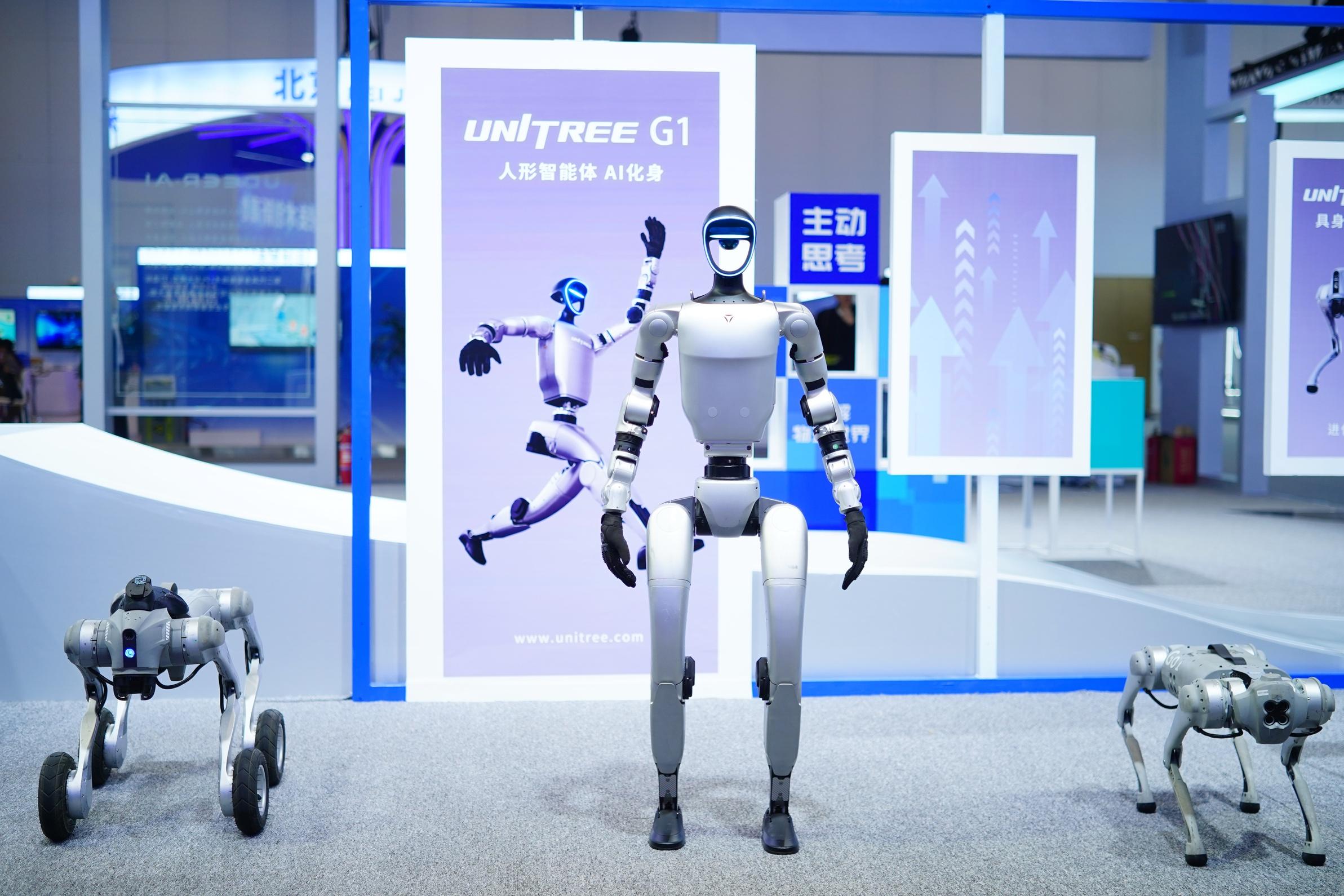
並行して、HTXは 2026年9月に人型ロボットセンターを設立する 計画があり、危険物取扱いや消火活動など高リスクの陸上タスクに向けてロボットを訓練することに焦点を当てる。これらはまさに、人型ロボットが人間の応答者へのリスクを低減でき、従来の自動化が求めるような環境の再設計を必要としない場面だ。

アジア太平洋諸国の中での独自のアプローチ

工場や公共パトロールで商業用人型ロボットを急速にスケールアップしている中国や、空港での労働力支援に人型ロボットをテストしている日本とは異なり、シンガポールは専門的でミッションクリティカルな公共部門アプリケーションに注力している。これには海事点検、緊急対応、危険環境、国内セキュリティが含まれる。

シンガポールのアプローチはその国家的強みを反映している:強固な公共部門テクノロジーエコシステム、先進インフラ、戦略的な海事的重要性、そして運用レジリエンスと安全基準を優先する政策文化。シンガポールが大衆市場向け人型ロボット製造で直接競争する可能性は低い。その代わり、信頼性と安全性が単位コストよりも重視される高付加価値・特化アプリケーションで存在感を示そうとしている。

水中人型ロボットが重要な理由

OceanOneKは人型ロボット工学の定義を大幅に拡張する。多くの議論は陸上を歩行する機械に焦点を当ててきた。しかし水中人型ロボットは非常に価値あるものになる可能性がある。なぜなら、多くの水中環境——洋上エネルギーインフラ、海洋遺産サイト、深海ケーブル、港湾点検ゾーン——は人間のダイバーにとって危険で、費用がかかるか、アクセスが困難だからだ。

人間のダイバーを中心に設計された空間での人間に似た操作タスクが必要な場合、水中での人型フォームファクターは特に有用だ。ロボットアーム、ステレオビジョン、テレプレゼンスの組み合わせにより、困難な環境においてオペレーターはより安全で有能な存在感を得られる。

アジア太平洋地域への意味

主要港湾、洋上エネルギー資産、老朽化した海事インフラ、緊急対応ニーズを持つアジア太平洋諸国にとって、シンガポールのモデルは説得力あるテンプレートを提供している。一つのアプリケーションカテゴリを追求するのではなく、HTXは陸と海の両方でケイパビリティを構築し、多様な現実世界の需要に対応できる広範な公共安全ロボットプラットフォームを作り上げようとしている。

アジア太平洋地域の人型ロボットの未来は多様なものになりそうだ。中国は生産規模を推進し、日本は労働支援ユースケースを検証し、シンガポールは高リスクで特化した公共部門アプリケーションにおいて主導的役割を果たすかもしれない。最も重要な問いは、ロボットが人間に見えるかどうかではないかもしれない——それは、人間が行くべきでない場所に人間の能力を安全に拡張できるかどうかだ。

出典
HTX SingaporeVietnamPlus
出典
HTX SingaporeVietnamPlus
. The agency is pursuing a dual-track program that covers both land-based humanoid robots and an innovative underwater humanoid platform.

At the Milipol TechX Summit 2026, HTX showcased OceanOneK — described as the world's first underwater humanoid robot. OceanOneK is designed for challenging underwater tasks traditionally performed by divers, offering telepresence capabilities that allow operators to safely interact with complex underwater environments. Its human-like arms enable manipulation tasks — opening objects, recovering items, inspecting structures — that traditional underwater ROVs cannot perform effectively.

In parallel, HTX plans to establish a humanoid robotics centre in September 2026 focused on training robots for high-risk land-based applications including hazardous-material handling and firefighting. These are exactly the environments where humanoid robots can reduce risk to human responders without requiring the same level of environment redesign that traditional automation demands.

A Distinct Approach Among APAC Nations

Unlike China — which is rapidly scaling commercial humanoid robots for factories and public patrol — or Japan — which is testing humanoids for airport labor support — Singapore is focusing on specialized, mission-critical public-sector applications. These include maritime inspection, emergency response, hazardous environments, and domestic security.

Singapore's approach reflects its national strengths: a strong public-sector technology ecosystem, advanced infrastructure, strategic maritime importance, and a policy culture that prioritizes operational resilience and safety standards. The country is unlikely to compete directly in mass-market humanoid manufacturing. Instead, it is positioning around high-value, specialized applications where reliability and safety matter more than unit cost.

Why Underwater Humanoids Matter

OceanOneK expands the definition of humanoid robotics significantly. Most discussions focus on walking machines operating on land. But underwater humanoid robots may become highly valuable because many underwater environments — offshore energy infrastructure, maritime heritage sites, deep-sea cables, port inspection zones — are dangerous, expensive, or inaccessible to human divers.

A humanoid form factor is specifically useful underwater when tasks require human-like manipulation in spaces originally designed around human divers. The combination of robotic arms, stereo vision, and telepresence gives operators a safer, more capable presence in challenging environments.

What It Means for APAC

For Asia-Pacific countries with major ports, offshore energy assets, aging maritime infrastructure, and emergency-response needs, Singapore's model offers a compelling template. Rather than pursuing one application category, HTX is building capabilities across land and sea — creating a broad public-safety robotics platform that can scale to meet diverse real-world demands.

The future of humanoid robotics in Asia-Pacific will likely be diverse. China may push production scale, Japan may validate labor-support use cases, and Singapore may lead in high-risk, specialized public-sector applications. The most important question may not be whether robots look human — it may be whether they can safely extend human ability into places where people should not have to go.

Sources
HTX SingaporeVietnamPlus