At a glance
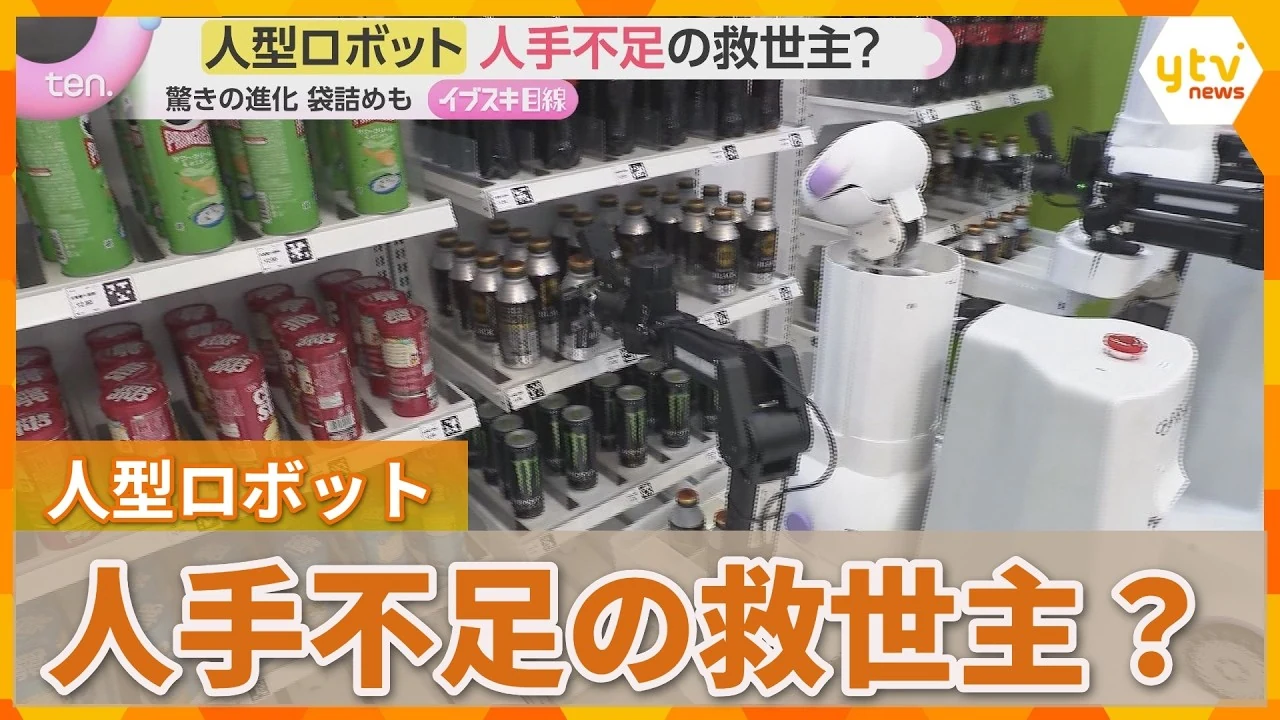
CP AI Robotics presented its C1 humanoid at a Tokyo retail-industry event on October 8, 2026, according to News On Japan. The company plans to begin full-scale deployment in Japanese convenience stores as early as 2027, but the report describes a plan, not an established rollout. News On Japan
C1 Humanoid Demonstrated at Tokyo Retail Event
Humanoid robots were showcased at a Tokyo retail-industry event on October 8, 2026, which brought together participants from 18 countries and more than 30 exhibiting companies, according to News On Japan. The report presents the event as a retail-sector setting for discussion of human-shaped robots, not as evidence that the technology is already established in stores. News On Japan
One featured system was the C1, developed by CP AI Robotics, which the report says operates primarily in Thailand. The company plans to begin full-scale C1 deployment in Japanese convenience stores as early as 2027, a stated intention rather than a confirmed start date or an account of current Japanese store operations. C1's planned convenience-store deployment
Store Tasks and Customer-Facing Design
News On Japan describes the C1 as able to identify products, manage inventory, transport goods, replenish shelves and pack purchases into bags. These are presented as intended retail tasks; the report does not provide performance measurements or independent results for any of them. the C1's described store tasks
The report also says the robot is designed for customer-facing duties and can communicate in more than 20 languages. CP AI Robotics developed it for existing commercial spaces where customers and employees move around, according to the account, making operation in a shared, active environment part of the stated design brief. News On Japan
Editorial Analysis: Practical Questions for APAC Retailers
For retailers across APAC, the useful question is not whether a humanoid can perform a listed task in a demonstration, but whether it can complete a defined shift of work safely and consistently in a live store. A decision to pilot this kind of system should start with task boundaries: which activities are suitable for the robot, which remain with staff, and how a person takes over when an interaction or movement cannot proceed as intended.
Store operators should also evaluate the workflow around the machine, not just the machine itself. Relevant due-diligence questions include how inventory records are reconciled after handling, how customer interactions are escalated, what staff time is needed for supervision and recovery, and how performance is assessed across busy and quiet periods; these are evaluation questions, not reported C1 results.
What the Report Does Not Establish
The report's account of a showcase does not establish reliability, safe operation over extended periods, or autonomous completion of the listed duties. It also does not provide independent test results or describe confirmed customer deployments, so the stated capabilities should be read as reported product descriptions rather than verified outcomes. News On Japan
The 2027 timing remains CP AI Robotics' plan, and the report does not establish that deployment has begun in Japanese convenience stores. Before assessing readiness, retailers would need to verify the scope and status of any planned rollout, task-level results in operating stores, staff requirements, safety procedures and the basis for the language and inventory claims; the announcement does not disclose those details. the reported deployment plan
Sources and reporting notes
News On Japan's media account reports the event, the C1's described functions and CP AI Robotics' deployment plan. The report does not provide independent testing or customer-deployment evidence.
Original synthesis and analysis of the linked public reporting. AI-assisted drafting and translation; reported claims remain attributed to their sources.