Did Atom receive ¥4.5 billion in cash for humanoid production?
Atom secured ¥4.5 billion in bank credit lines, not a cash payout or customer order. Mizuho’s new line replaces an earlier facility rather than adding its full amount. Sources
Three megabanks back a one-year-old startup
Tokyo-based Atom said on November 24 that it had secured loan facilities totaling 4.5 billion yen, about $28.3 million, from Sumitomo Mitsui Banking Corp. (2 billion yen), Mizuho Bank (1.5 billion yen) and MUFG Bank (1 billion yen). The Mizuho facility replaces a 1.5 billion yen loan agreement signed in August 2026 on revised terms, so the total is not entirely new borrowing capacity.
The amounts are maximum borrowing limits, not funds already disbursed. Atom was founded in November 2025 and opened a Physical AI Foundry in August 2026 to produce training data.
A GPU cluster and a path to 10,000 units
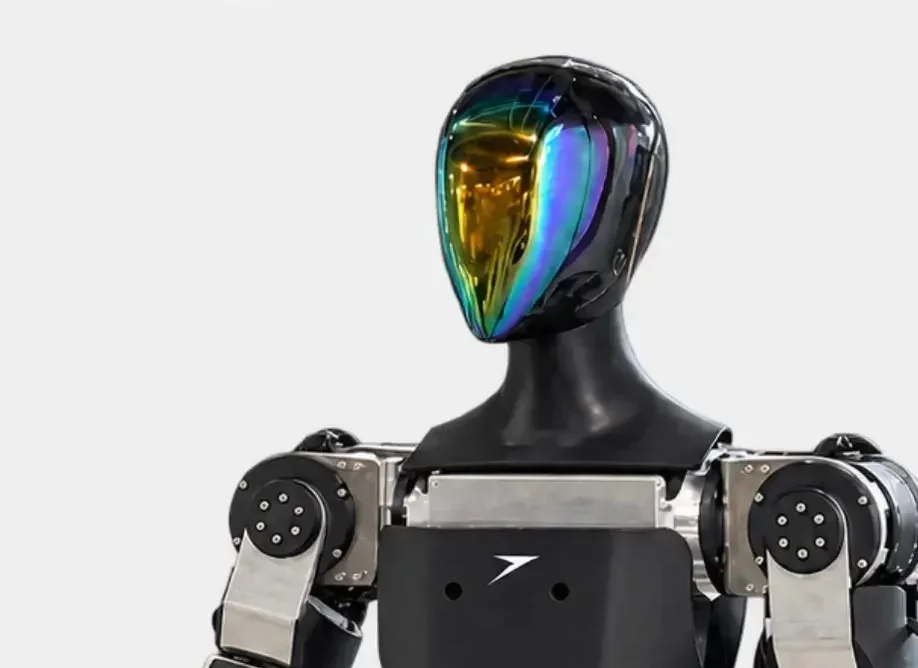
Atom plans to use the financing to build its own GPU computing cluster for training and testing physical AI models, and to establish the manufacturing infrastructure for producing humanoids at scale. It is developing a two-armed, bipedal humanoid together with its own AI platform model.
The company targets annual deliveries of 200 robots by 2027 and 10,000 by 2030. These are targets, not confirmed orders. CEO Shunsuke Aoki said Atom wants to combine Japan's component makers and manufacturing know-how to build robots for workplaces facing labour shortages.
Editorial analysis: Debt financing is unusual at this stage
Bank credit lines for a pre-revenue humanoid maker are rare, and the involvement of all three megabanks suggests strong institutional support for Japan's physical AI push.
Debt has to be repaid, so Atom will need early commercial deliveries. Watch for named customer pilots and a manufacturing partner announcement in 2027.
Editorial perspective: A credit line buys a choice about timing
There is a reason to distinguish access to money from spending it. Atom could order computing equipment before a customer commits, making training available sooner but taking on idle-capacity risk. Or it could wait for a pilot to define the workload, preserving flexibility at the cost of time. The credit announcement does not tell us which choice the company has made.
We would follow the sequence rather than the headline sum: a customer specifies a task, Atom establishes what training it requires, then commits equipment and production capacity against that need. A different sequence is not necessarily wrong, but it places more of the bet on Atom. A named application with a delivery and acceptance test would tell readers more about the path to repayment than a production target alone.