What did Ant Group fund at Simplexity Robotics?
Ant Group led a $100 million pre-Series A for Simplexity Robotics. The company has shipped wheeled i7 Pro industrial robots and introduced iX for service settings. Sources
A fast-rising embodied-AI company
Simplexity Robotics closed a $100 million pre-Series A round led by Ant Group, bringing its post-money valuation to $1.6 billion, Bloomberg reported on November 23, quoting chairman and co-founder Wang Kai. Existing backers Tencent, HSG and Lanchi Ventures took part.
The company was founded in July 2025 by three former Li Auto executives: chairman Wang Kai, CEO and CTO Jia Peng and COO Wang Jiajia. It announced unicorn status in March after raising 2 billion yuan across five rounds, and has 116 full-time staff with R&D teams in Beijing, Shanghai and Suzhou.
Robots already in production lines
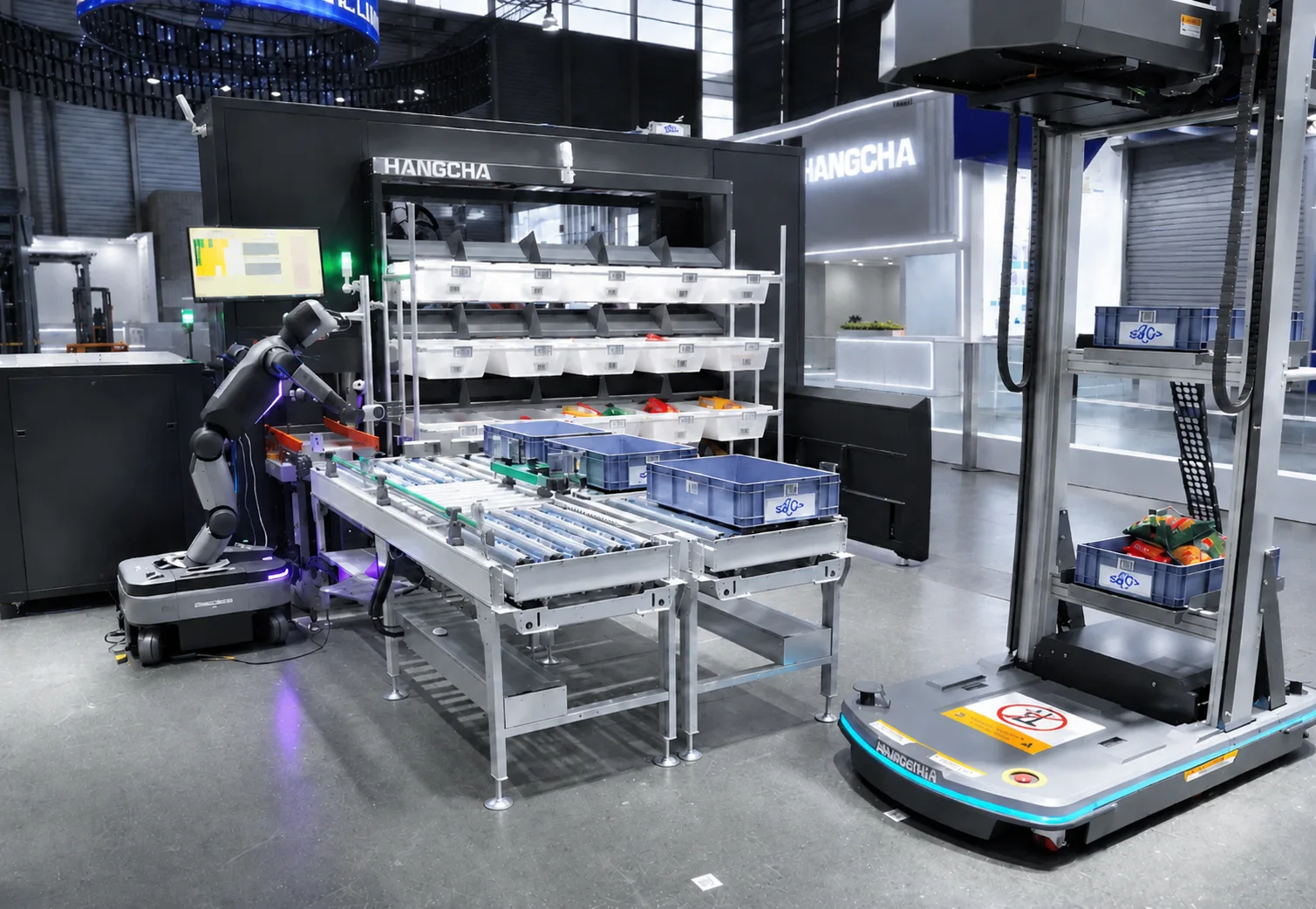
In early July, Simplexity delivered its first batch of 100 i7 Pro robots, wheeled dual-arm machines for industrial and logistics work. It also commissioned what it calls the world's first intelligent CNC robot production line for Leaderdrive, a supplier of precision motion-control components. Other customers include Dongshan Precision and Hangcha.
On November 23 it also launched iX, a wheeled service robot for commercial and hospitality settings that can prepare and deliver drinks. For Ant Group, the deal adds to a portfolio of about a dozen robotics companies, including Unitree and Astribot.
Editorial analysis: Capital is backing wheels and deployments
Investors are rewarding teams that ship practical wheeled, dual-arm machines into factories quickly, rather than waiting for fully bipedal humanoids. Simplexity's car-industry background helps with supply chains and manufacturing discipline.
The valuation assumes rapid growth. The next proof points are repeat orders beyond anchor customers and published productivity data from the Leaderdrive line.
Editorial perspective: What travels from a machine shop to a drinks counter?
The interesting question behind the i7 Pro and the iX is not whether the same company can build both. It is whether work paid for by the first customer makes the next installation cheaper. Arms, diagnostics and spare parts might carry over; a machine-tool handoff and a drink handed to a guest have different consequences when the hand misses. Shared wheels alone do not establish a shared business.
We would ask Simplexity which problems its field engineers solved just once for both products and which had to be solved again at each site. If a common fix can reach both fleets without lengthy revalidation, the investment can support two markets at once. If every installation needs its own engineering team, more sales may initially create more work rather than better margins.