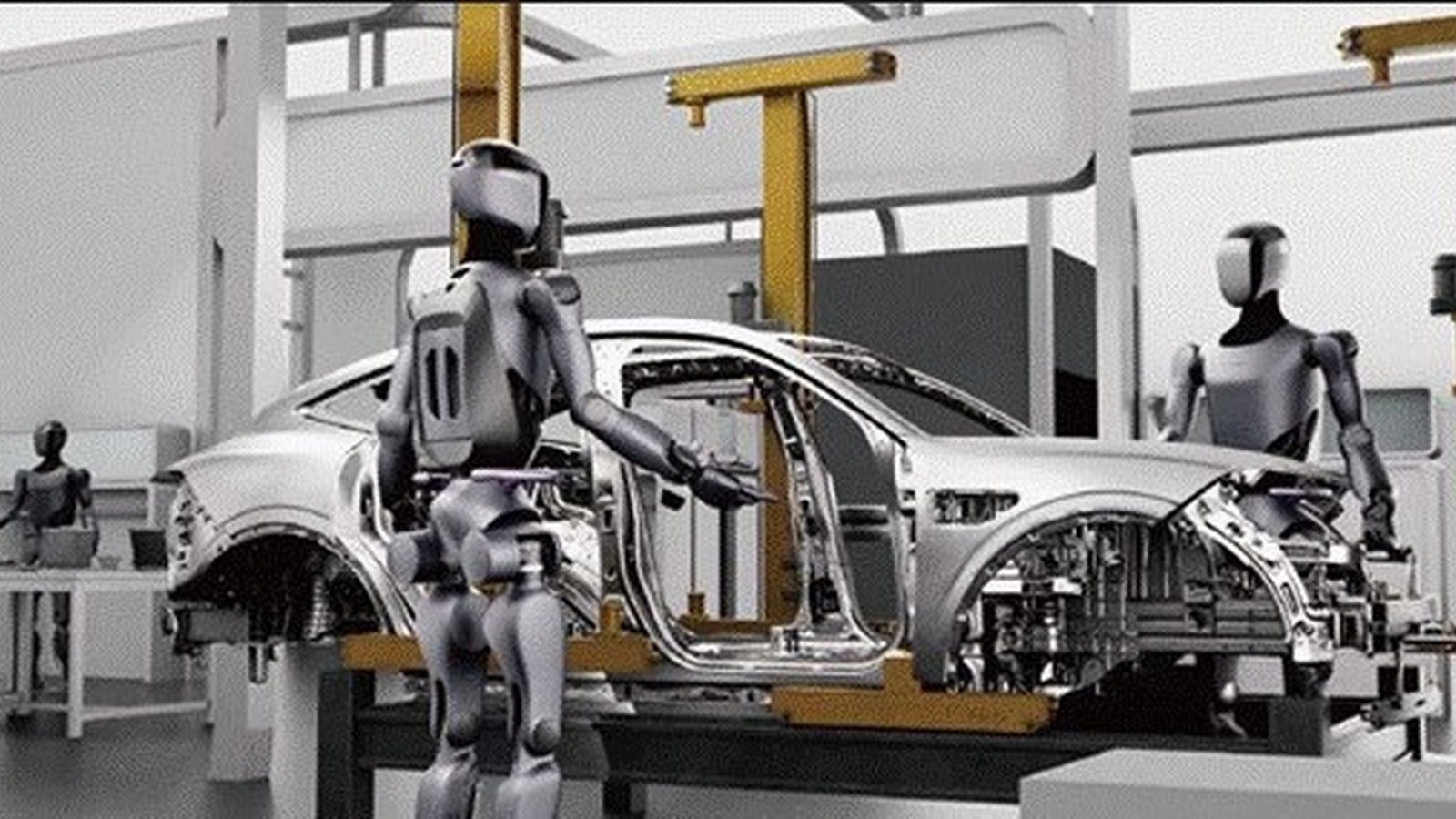
The scale of China's 2025 robotics capital deployment is difficult to overstate. China's robotics sector absorbed roughly ¥57 billion (US$7.9 billion) across 610 investment deals in 2025 — nearly triple the 2024 level. Of that total, humanoid-specific financings reached approximately ¥38 billion (US$5.3 billion), making humanoids the single largest subcategory in Chinese deep-tech investment for the year.
The catalyst was explicit policy. The 2025 Government Work Report named "embodied intelligence" and "intelligent robots" as strategic priorities for the first time — language that carries real fiscal weight in China's planning system. Once those categories appeared in the national document, municipal governments were authorised to deploy their innovation funds accordingly. Beijing, Shanghai, Shenzhen, and Hubei combined committed ¥26 billion in municipal funds specifically earmarked for humanoid and embodied AI programs.
The Company-Level Picture
AgiBot (Zhiyuan Robot) accumulated cumulative investment of ¥5 billion (approximately US$700 million), backed by CATL, Tencent, BYD, and TCL — the same supply chain constellation that made China the dominant force in electric vehicles. Galbot raised USD 800 million at a USD 3 billion valuation — among the largest single-company raises globally in the humanoid category. X-Humanoid completed its first round of ¥700 million (approximately USD 100 million), backed by the Beijing Robotics Innovation Development Fund, E-Town Capital, and Baidu.
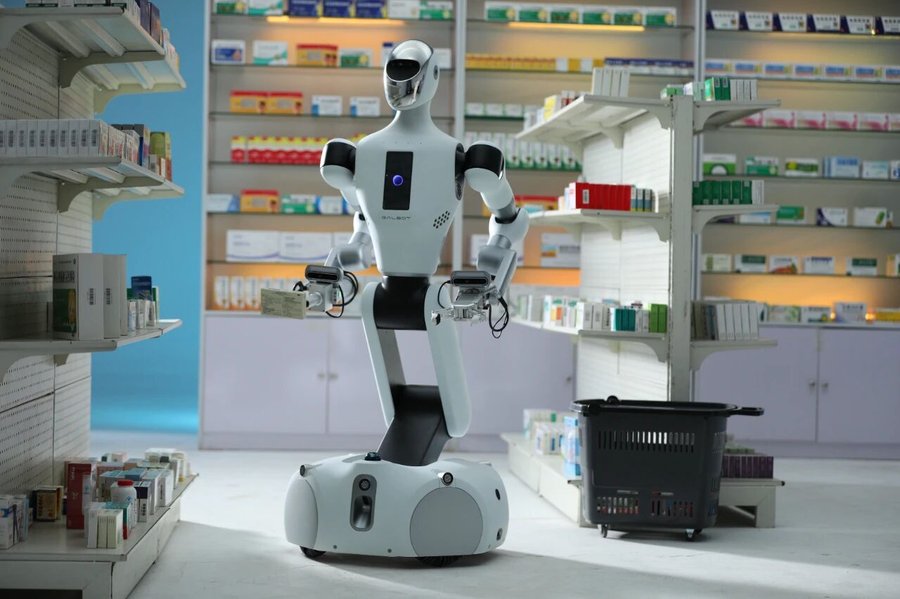
The Zhejiang Humanoid Robot Center raised ¥450 million in a Pre-A round in January 2026, having accumulated ¥2.2 billion in total financing over just 18 months. AgiBot and Unitree jointly won a China Mobile tender worth ¥124 million (approximately USD 17 million) — the first major state-owned enterprise procurement of humanoids for non-research purposes. UBTECH secured a single humanoid order in September 2025 worth ¥250 million (approximately USD 35 million), which the company described as the largest in its history.
2026: The Pace Accelerates
The 2025 capital surge did not slow as the calendar turned. 36Kr reported more than ¥10 billion in fresh humanoid financings in the first two months of 2026 alone, spread across 20+ companies. Industry headcount has reflected this momentum: GGII counts 320+ Chinese humanoid companies in 2026, up from approximately 120 three years earlier.
China's reported national robotics commitment for 2026 is US$400 billion in planned robotics spend — a figure that, even discounted for the gap between announcement and disbursement typical in Chinese planning, signals a structural rather than cyclical commitment to the sector.
Implications for Non-Chinese Players
The combination of government anchor funding, strategic corporate backers, and accelerating private capital creates a compounding dynamic that is difficult for other regions to replicate at the same speed. For non-Chinese humanoid companies considering APAC market entry, the investment landscape has three concrete implications: the leading Chinese vendors are well-capitalised enough to sustain prolonged price competition; government-linked shareholder bases create preferential access to SOE procurement channels; and the sheer volume of capital flowing to 300+ companies means even well-funded foreign entrants will face locally-adapted competitors in every target segment. The window for first-mover positioning in China-adjacent markets is narrowing.