🇯🇵 日本
物流
JALが羽田空港でヒューマノイドロボット手荷物処理を試験
羽田空港の試験はアジア太平洋航空業界のヒューマノイド労働支援導入のベンチマークになり得る
2026年4月30日
·
5 min read
日本はアジアで最も実践的な人型ロボット試験の一つを準備している:世界で最も利用者の多い航空ハブの一つ、東京の羽田空港に人型ロボットを配備し、手荷物取扱い業務を支援するというものだ。
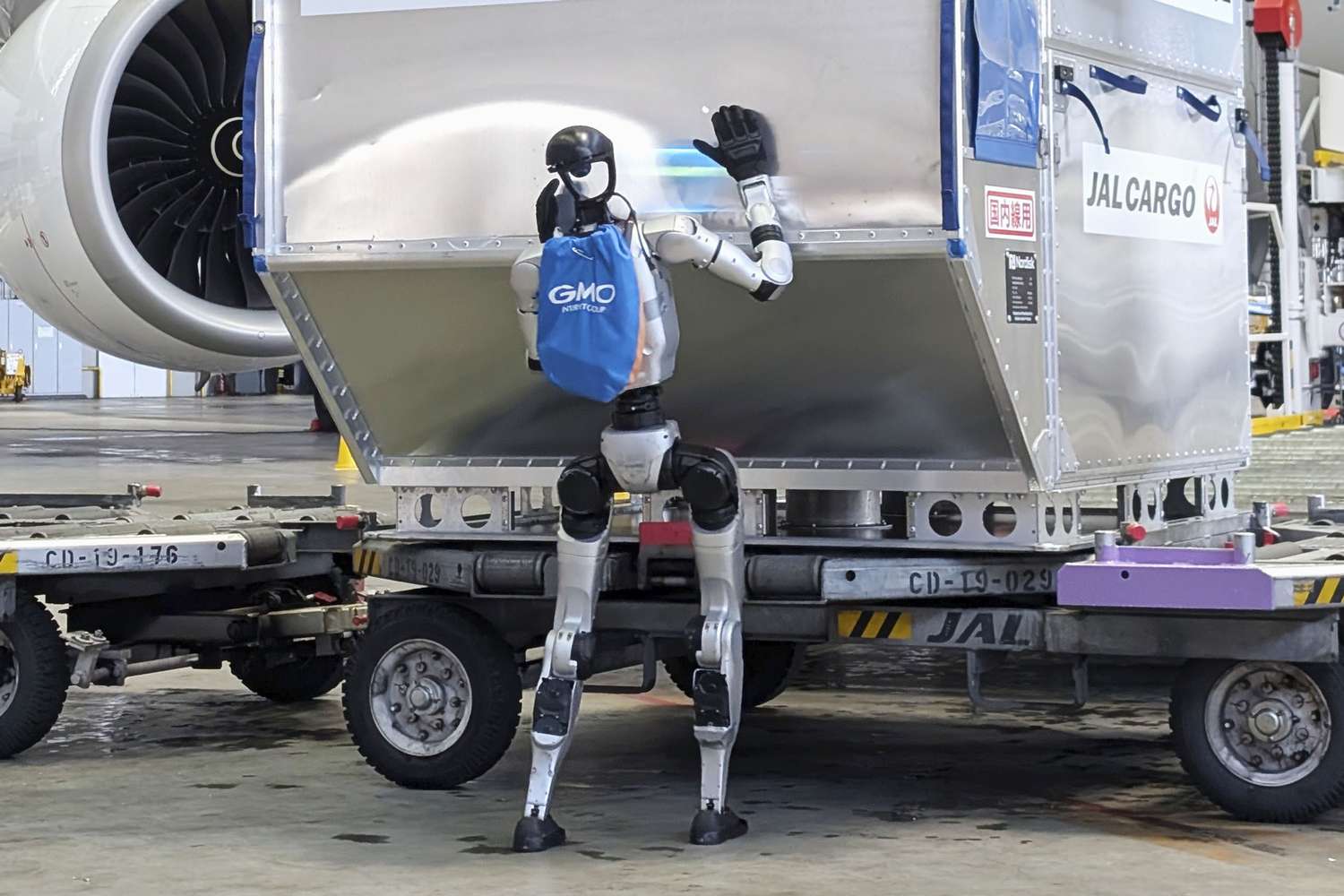
Japan Airlines と GMO AI & Robotics は羽田空港で試験を開始しており、人型ロボットが荷物や貨物の移動を含むグランドハンドリング業務を支援している。ロボットは中国本土出身で世界的に最も注目される人型ロボット企業の一つ、Unitree Robotics が開発している。
The Guardian および航空業界の情報源によると、この試験は2028年まで段階的に実施される可能性があり、人間の作業員が安全上重要なすべての業務を引き続き担当する。これは重要な点だ:目標はグランドスタッフの代替ではなく、人型ロボットが人間の監督のもとで肉体的に負荷の高い作業を支援できるかどうかをテストすることにある。
空港の手荷物取扱いが適切なユースケースである理由
空港の手荷物取扱いは、人型ロボットの最も明確な現実世界のユースケースの一つだ。それは反復的な肉体労働、重量物の運搬、労働力不足のプレッシャー、そして半構造化された運用環境を含む。純粋なデモとは異なり、空港のグランドハンドリングは測定可能な生産性・安全性・信頼性の要件を持つ——まさに商業的実現可能性を検証するために必要な条件だ。
日本の労働力不足はロボット採用の主な推進力の一つだ。日本は旺盛なインバウンド観光の成長に直面しながらも、労働力の高齢化が進んでいるため、空港運営は特に脆弱だ。人型ロボットは作業者の身体的負担を軽減し、安定した人材配置が難しい業務を支援する助けとなる。
空港において人型という形態が有効な理由
空港は人間の移動のために設計されている:階段、カート、ドア、スロープ、コンテナ、ツール、そして屋内外が混在する環境。ロボットが従来の固定自動化システムのように環境を再設計するのではなく、もともと人間向けに設計された空間で稼働する必要がある場合、人型という形態は価値を持つ。
Unitree Robotics にとって、羽田での試験は国際的な知名度をさらに高める。四足歩行ロボットや人型G1・H1プラットフォームで知られるUnitreeにとって、空港試験の成功はそのヒューマノイドをバイラル動画や展示会から実際の運用インフラへと昇格させ、重要な信頼性のマイルストーンとなる。
アジア太平洋地域の航空業界への意味
この試験はアジア太平洋地域全体の空港運営者にとって参考事例となる可能性がある。シンガポール、韓国、台湾、タイ、香港、中国本土の主要ハブはすべて、運用効率の向上、旅客増への対応、反復的な肉体労働の削減というプレッシャーを抱えている。人型ロボットが手荷物・貨物業務で有効であると証明されれば、ホテルの物流、倉庫への積み込み、航空機客室清掃、小売バックエンド業務、交通ハブへと同様の応用が拡大する可能性がある。
日本の空港実験は、最も価値あるロボットは必ずしも最も未来的な見た目のものではないことを示している。それは実際に存在し、コストが高く、持続的な運用上の問題を解決するロボットだ——空港の手荷物取扱いはまさにその説明に当てはまる。
Japan Airlines and GMO AI & Robotics have launched a trial at Haneda Airport where humanoid robots assist with ground-handling operations including moving luggage and cargo. The robots are developed by Unitree Robotics, one of the most globally visible humanoid robot companies from mainland China.
According to reports from The Guardian and aviation industry sources, the trial may run in phases through 2028, with human workers continuing to handle all safety-critical responsibilities. This is a key point: the goal is not to replace ground staff, but to test whether humanoid robots can assist with physically demanding tasks under human supervision.
Why Airport Baggage Handling Is the Right Use Case
Airport baggage handling is one of the clearest real-world use cases for humanoid robots. It involves repetitive physical work, heavy lifting, labor shortage pressure, and a semi-structured operating environment. Unlike a pure demonstration, airport ground handling has measurable productivity, safety, and reliability requirements — exactly the conditions needed to validate commercial viability.
Japan's labor shortage is one of the main drivers behind robotics adoption. Airport operations are especially vulnerable because Japan is seeing strong inbound tourism growth while facing an increasingly aged workforce. Humanoid robots can help reduce physical strain on workers and support tasks that are difficult to staff consistently.
Why a Humanoid Form Factor Makes Sense in Airports
Airports are designed for human movement: stairs, carts, doors, ramps, containers, tools, and mixed indoor-outdoor environments. A humanoid form factor is valuable when robots need to operate in spaces originally designed for people, rather than environments rebuilt around traditional fixed automation systems.
For Unitree Robotics, the Haneda trial strengthens international visibility. Known for its quadruped robots and humanoid G1 and H1 platforms, a successful airport trial would move Unitree's humanoids from viral videos and exhibitions into operational infrastructure — a significant credibility milestone.
What It Means for APAC Aviation
This trial could become a reference case for airport operators across Asia-Pacific. Major hubs in Singapore, South Korea, Taiwan, Thailand, Hong Kong, and mainland China all face pressure to improve operational efficiency, manage passenger growth, and reduce repetitive manual work. If humanoid robots prove useful in baggage and cargo operations, similar applications could expand to hotel logistics, warehouse loading, aircraft cabin cleaning, retail back-end operations, and transportation hubs.
Japan's airport experiment is a reminder that the most valuable robots will not necessarily be the ones that look the most futuristic. They will be the ones that solve practical, costly, and persistent operational problems — and airport baggage handling fits that description precisely.