🇯🇵 日本

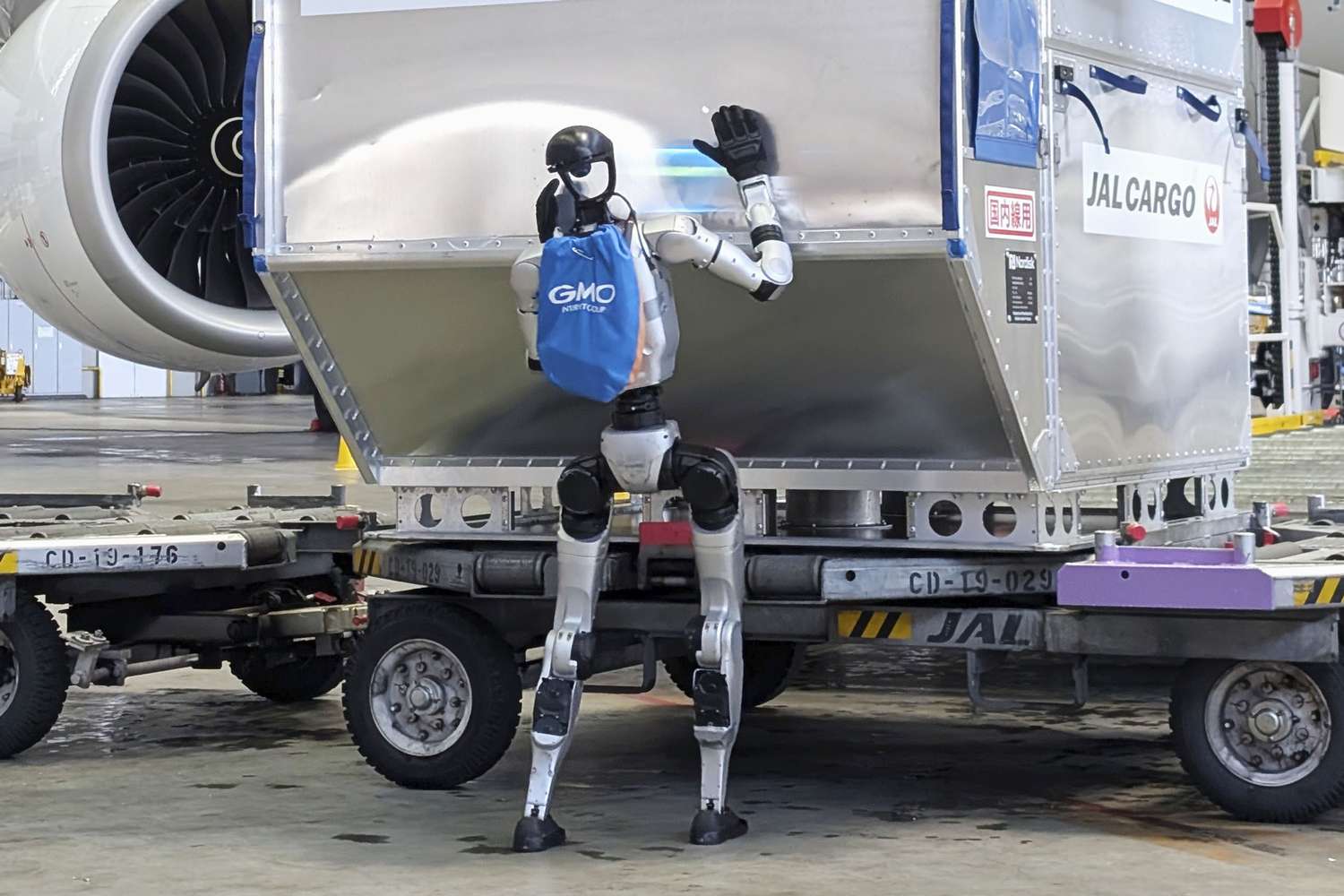
日本航空在羽田機場試驗人形機器人行李處理

羽田試驗有望成為亞太航空業人形機器人勞動力支援部署的標杆

Japan Airlines Trials Humanoid Robots at Haneda for Baggage Handling

日本正在籌備亞洲最具實際意義的人形機器人試驗之一:在東京羽田機場——全球最繁忙的航空樞紐之一——部署人形機器人以協助行李處理作業。

Japan AirlinesGMO AI & Robotics 已在羽田機場啟動試驗,由人形機器人協助地面操作,包括搬運行李和貨物。這些機器人由 Unitree Robotics 研發——這是來自中國大陸、在全球最具知名度的人形機器人公司之一。

根據 The Guardian 及航空業界來源的報導,此試驗可能分階段推進至2028年,人工地勤員工將繼續負責所有安全關鍵任務。這一點至關重要:目標並非取代地勤人員,而是測試人形機器人是否能在人工監督下協助完成體力繁重的工作。

為何機場行李處理是理想的應用場景

機場行李處理是人形機器人最清晰的現實應用場景之一。它涉及重複性的體力工作、繁重的搬運、勞動力短缺壓力,以及半結構化的操作環境。與純粹的示範不同,機場地面操作具有可量化的生產力、安全性和可靠性要求——這正是驗證商業可行性所需的條件。

日本的勞動力短缺是推動機器人採用的主要因素之一。機場運營尤其脆弱,因為日本正面臨強勁的入境旅遊增長,同時勞動力日益老齡化。人形機器人有助於減輕工人的體力負擔,並支援難以持續配置人手的工作。

為何人形形態在機場具有優勢

機場是為人類移動而設計的:樓梯、手推車、門、坡道、貨箱、工具,以及室內外混合環境。當機器人需要在原本為人類設計的空間中運作時,人形形態就具有重要價值,而不需要像傳統固定自動化系統那樣對環境進行改造。

對於 Unitree Robotics 而言,羽田試驗進一步提升了其國際能見度。以四足機器人及人形G1、H1平台著稱的Unitree,若能成功完成機場試驗,將使其人形機器人從爆紅影片和展覽走入實際運營基礎設施,達成重要的信譽里程碑。

對亞太航空業的意義

此次試驗有望成為整個亞太地區機場運營商的參考案例。新加坡、韓國、台灣、泰國、香港和中國大陸的主要樞紐機場,都面臨提升運營效率、應對旅客增長及減少重複性體力工作的壓力。如果人形機器人在行李和貨物操作中被證明有效,類似的應用可能進一步拓展至酒店物流、倉庫裝卸、客艙清潔、零售後端操作和交通樞紐。

日本的機場試驗提醒我們,最有價值的機器人未必是外觀最具未來感的那些,而是能夠解決實際存在、成本高昂且持續性強的運營問題的那些——機場行李處理正完全符合這一描述。

來源
Japan AirlinesGMO AI & RoboticsThe Guardian
來源
Japan AirlinesGMO AI & RoboticsThe Guardian

Japan Airlines and GMO AI & Robotics have launched a trial at Haneda Airport where humanoid robots assist with ground-handling operations including moving luggage and cargo. The robots are developed by Unitree Robotics, one of the most globally visible humanoid robot companies from mainland China.

According to reports from The Guardian and aviation industry sources, the trial may run in phases through 2028, with human workers continuing to handle all safety-critical responsibilities. This is a key point: the goal is not to replace ground staff, but to test whether humanoid robots can assist with physically demanding tasks under human supervision.

Why Airport Baggage Handling Is the Right Use Case

Airport baggage handling is one of the clearest real-world use cases for humanoid robots. It involves repetitive physical work, heavy lifting, labor shortage pressure, and a semi-structured operating environment. Unlike a pure demonstration, airport ground handling has measurable productivity, safety, and reliability requirements — exactly the conditions needed to validate commercial viability.

Japan's labor shortage is one of the main drivers behind robotics adoption. Airport operations are especially vulnerable because Japan is seeing strong inbound tourism growth while facing an increasingly aged workforce. Humanoid robots can help reduce physical strain on workers and support tasks that are difficult to staff consistently.

Why a Humanoid Form Factor Makes Sense in Airports

Airports are designed for human movement: stairs, carts, doors, ramps, containers, tools, and mixed indoor-outdoor environments. A humanoid form factor is valuable when robots need to operate in spaces originally designed for people, rather than environments rebuilt around traditional fixed automation systems.

For Unitree Robotics, the Haneda trial strengthens international visibility. Known for its quadruped robots and humanoid G1 and H1 platforms, a successful airport trial would move Unitree's humanoids from viral videos and exhibitions into operational infrastructure — a significant credibility milestone.

What It Means for APAC Aviation

This trial could become a reference case for airport operators across Asia-Pacific. Major hubs in Singapore, South Korea, Taiwan, Thailand, Hong Kong, and mainland China all face pressure to improve operational efficiency, manage passenger growth, and reduce repetitive manual work. If humanoid robots prove useful in baggage and cargo operations, similar applications could expand to hotel logistics, warehouse loading, aircraft cabin cleaning, retail back-end operations, and transportation hubs.

Japan's airport experiment is a reminder that the most valuable robots will not necessarily be the ones that look the most futuristic. They will be the ones that solve practical, costly, and persistent operational problems — and airport baggage handling fits that description precisely.

Sources
Japan AirlinesGMO AI & RoboticsThe Guardian