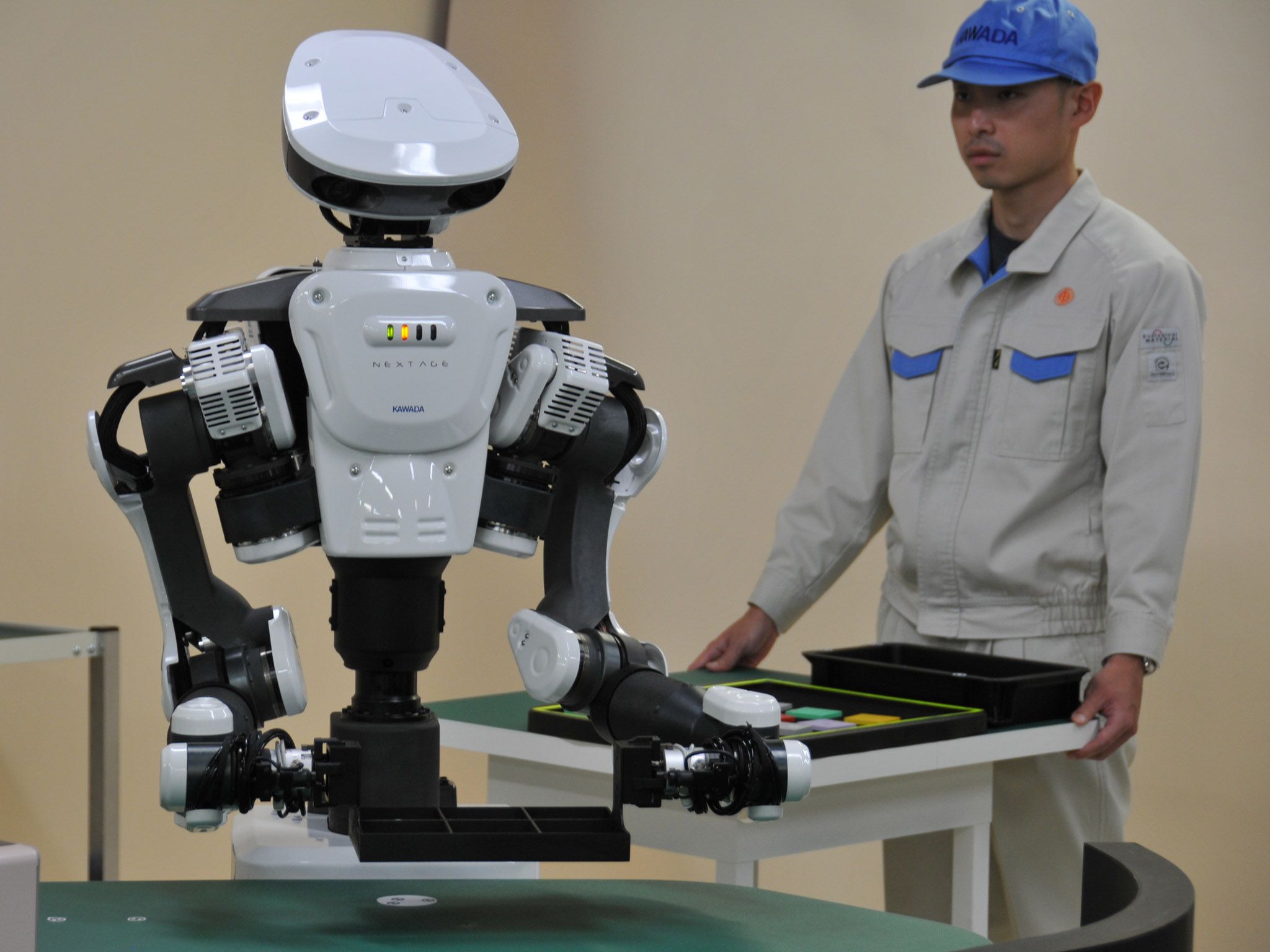
Mitsubishi Motors and Highlanders, a University of Tokyo spinout founded to commercialize humanoid control research, announced a joint plan to build 175 cm, 75 kg humanoids at a Kyoto facility, targeting 1,000 units per month by 2027, according to a Mitsubishi Motors press release dated July 9, 2026. The framing places humanoids inside the automotive manufacturing playbook rather than treating them as a standalone robotics line.
That choice is significant technically: Japan's automakers already have the process discipline, tiered supplier networks, and statistical quality-control systems needed to produce complex mechatronic products at scale and consistent tolerances, infrastructure that took decades to build for cars and now transfers directly. Applying that to humanoids is a materially shorter path than building humanoid-specific manufacturing infrastructure from scratch, which is the route most pure robotics startups must take.
Nippon.com reports the Kyoto facility will be purpose-built around this production line rather than adapted from an existing car plant, and that Highlanders is contributing the control-software side of the joint venture, suggesting Mitsubishi treats this as a genuine new product category, not excess capacity utilization, a distinction that matters because it signals long-term capital commitment rather than an opportunistic use of idle assembly lines.
For APAC, the announcement signals Japan intends to compete on manufacturing rigor rather than marketing spectacle. A dependable 1,000-per-month cadence, smaller in absolute terms than Chinese output targets, would still put Japan in a defensible position: consistent quality at scale is a different value proposition than raw volume, appealing to buyers wary of early-generation reliability issues that have dogged some faster-moving competitors racing to ship before their control software has been fully hardened.
Editor's take — the number to interrogate is not 1,000 units a month, it is zero named customers. We think Mitsubishi is running a familiar automotive playbook here: announce capacity first, let the manufacturing commitment itself pressure the market into showing up as a buyer, the same sequencing carmakers have long used for new model lines. That can work when you already have dealer networks and financing partners standing by. It is a much bigger gamble in a category with no established buyer base at all, and it assumes Japanese industrial buyers will respond to capacity signals the way car buyers respond to showroom inventory.
If Mitsubishi and Highlanders have not disclosed a named anchor customer by the time the Kyoto line reaches partial capacity in 2027, expect the 1,000-unit target itself to quietly slip, the same way announced EV production targets have slipped industry-wide when demand did not materialize on schedule. The more durable outcome to watch for is whether Mitsubishi's own dealer and service network becomes the first customer, servicing humanoids the way it services vehicles, which would let the company effectively manufacture its own initial demand while the external market catches up.
What to watch next is whether Mitsubishi and Highlanders announce signed multi-year procurement contracts before the Kyoto line reaches its 2027 target rate — without them, the 1,000-unit figure remains a capacity claim rather than a demand-backed commitment, and any contract announcement should specify volumes, not just partnership language.
The critical uncertainty is customer identity. A 1,000-per-month cadence assumes committed buyers absorbing that output, and the July announcement did not disclose specific offtake agreements or named customers, leaving open whether this is a demand-led plan or a capacity-led bet on demand materializing later.