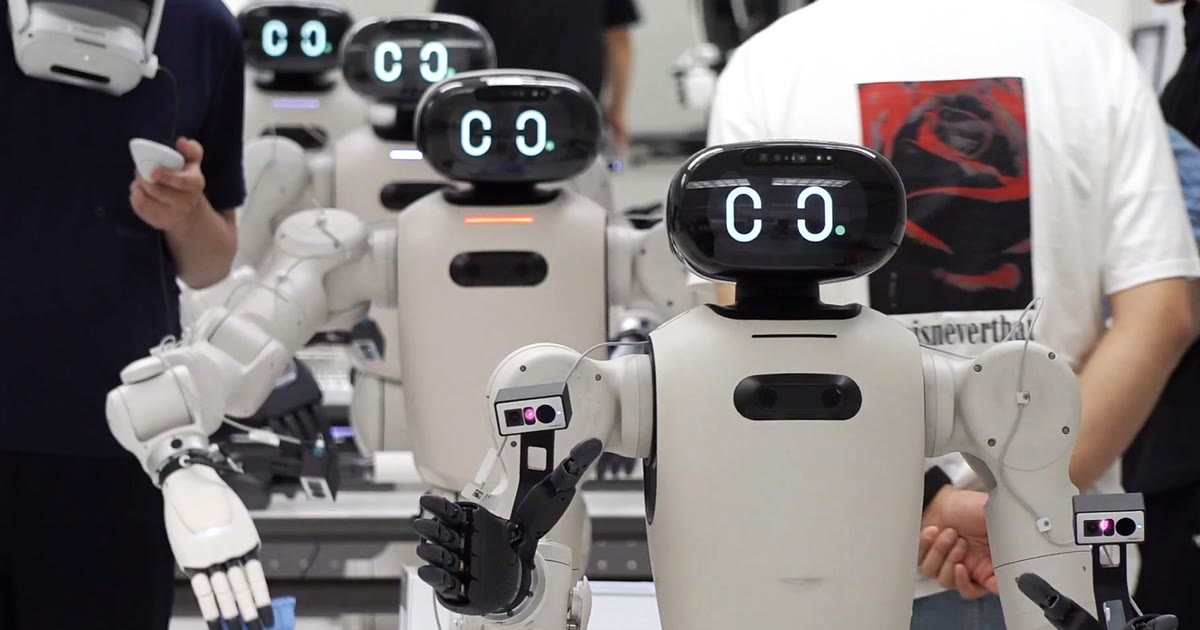
LG Electronics announced on June 30, 2026 that it is establishing a new Robotics Business Center reporting directly to CEO Lyu Jae-cheol, effective July 1. According to LG's corporate press release, the new organization will be led by Song Si-yong and will consolidate business development, sales, operations, supply chain, and manufacturing functions for robotics under a single unit — a structural change signaling that LG now views robotics as a core growth pillar rather than a peripheral R&D project.
The Robotics Business Center's direct reporting line to the CEO is significant in itself: most large Korean conglomerates house robotics initiatives within existing business divisions (home appliances, B2B solutions, etc.), but LG's decision to elevate the function to CEO-level oversight suggests the company is preparing for a more aggressive robotics push. The new center also includes a dedicated data factory organization, according to LG's global press site, indicating the company is building infrastructure specifically to collect and process the training data robotics AI systems require.
Part of a Broader "One LG Solution" Strategy
LG frames the reorganization as part of its "One LG Solution" strategy — an effort to break down silos between the company's various business units and present a unified robotics and AI offering to both enterprise and consumer markets. For a company best known globally for home appliances and displays, the robotics center represents a bet that physical AI and robotics will become as central to LG's future revenue as its traditional hardware lines.
What It Means for Korea's Humanoid Ambitions
LG's move comes as South Korea more broadly accelerates its national humanoid robotics push, with government-backed programs and corporate investments from Samsung, Hyundai, and now LG all competing to establish domestic leadership in the sector. A CEO-led robotics center gives LG a clearer organizational mandate to compete against both domestic rivals and the wave of Chinese humanoid manufacturers rapidly scaling production and driving down costs.