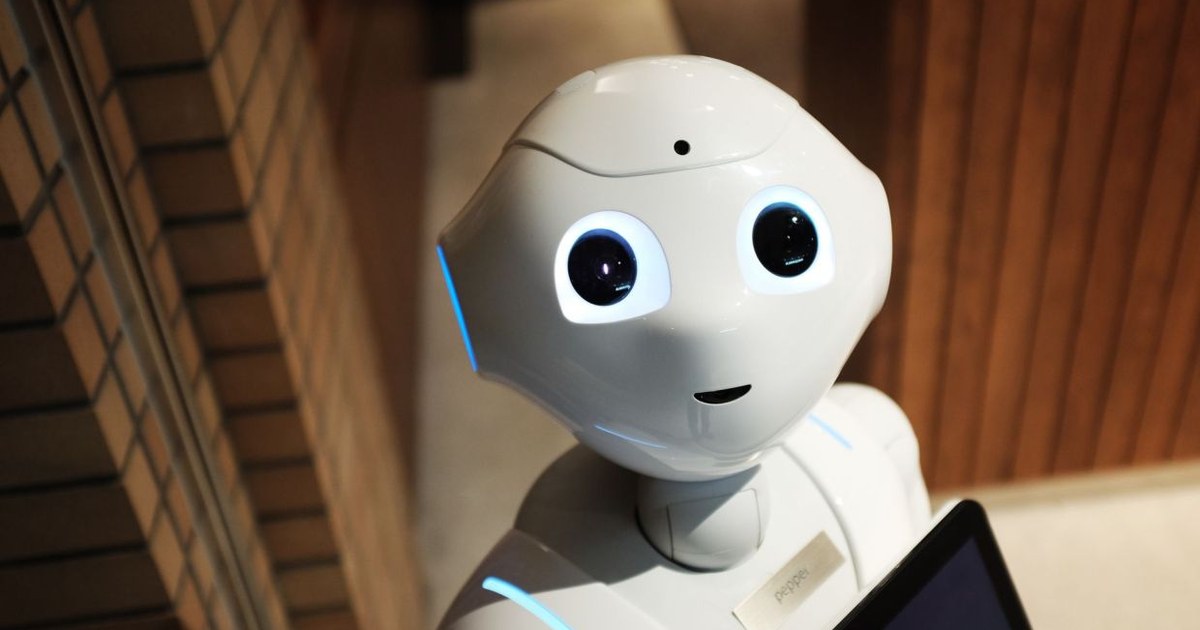
Japan unveiled a sweeping national strategy on July 2, 2026 aiming to deploy 10 million robots by 2040, anchored by a government-backed consortium called Noetra that includes SoftBank, Sony, and roughly 44 other companies, according to The Star's coverage of the announcement in Tokyo. The plan centers on developing a sovereign AI model specifically for robotics applications — reducing Japan's reliance on foreign AI infrastructure for a technology the government views as strategically critical.
The Noetra consortium's mandate includes an estimated $6 billion in combined investment directed toward building this domestic AI model, which the government intends to underpin robotics deployment across an ambitious range of 18 designated fields — including restaurant service, food manufacturing, and medical applications, according to reporting on the revised AI robotics strategy. The breadth of sectors targeted reflects Japan's specific demographic pressure: an aging population and shrinking workforce that has made labor-substitution robotics a matter of national economic necessity rather than a speculative technology bet.
Part of a Larger 370 Trillion Yen Growth Strategy
The robotics and sovereign AI push sits within a broader 370 trillion yen (roughly $2.4 trillion), 14-year national growth strategy that Japan's government first announced in May 2026. Positioning robotics as one pillar of a strategy of this scale signals that Tokyo views physical AI and robot deployment not as an isolated industrial policy, but as central to how Japan intends to sustain economic growth despite demographic headwinds that most other advanced economies do not face at the same intensity.
Sovereign AI as a Strategic Hedge
Japan's emphasis on a domestically developed AI model — rather than relying on the same underlying AI infrastructure that Chinese and American robotics companies use — reflects growing strategic anxiety among governments about foreign dependency in AI-powered physical infrastructure. With China's MIIT mandating mass humanoid deployment domestically and driving down manufacturing costs at a pace few other countries can match, Japan's sovereign AI approach represents a bet that technological independence, even at a higher near-term cost, will matter more than raw manufacturing speed as robotics becomes embedded in critical economic and social infrastructure through 2040.