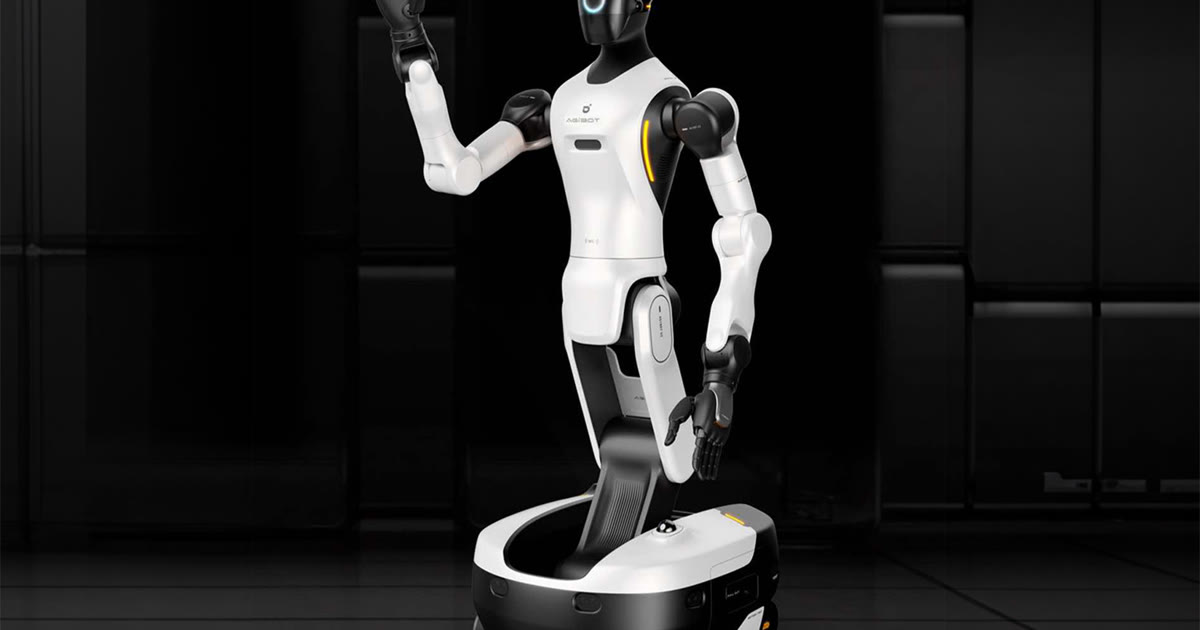
AGIBOT marked a significant manufacturing milestone on June 28, 2026, when its 15,000th humanoid robot — a G2 industrial embodied task unit — rolled off the production line in Shanghai. According to a PR Newswire release carried by Yahoo Finance, the milestone caps a scale-up that moved from 1,000 units, to 5,000, to 10,000, and now to 15,000 robots shipped in roughly a year — one of the fastest production ramps reported by any humanoid manufacturer to date.
The G2 platform is designed for embodied task work on real production lines, following AGIBOT's earlier G1 deployments in electronics manufacturing. Dr. Yao Maoqing, Senior Vice President and President of AGIBOT's Embodied AI Business Unit, framed the milestone as validation of the company's manufacturing approach, noting that hitting five-figure production volumes requires not just robot design maturity but a supply chain and quality-control process that can sustain consistent output at scale.
AGIBOT's Position in Global Humanoid Shipments
The 15,000-unit milestone reinforces data from Omdia, which ranked AGIBOT as the top global humanoid shipper in 2025 with 5,168 units delivered — a 39% share of the global market at the time. Reaching 15,000 cumulative units by mid-2026 suggests the company's shipment pace has accelerated well beyond its 2025 run rate, tracking the broader surge in Chinese humanoid production driven by falling component costs and government-backed deployment mandates.
What It Signals for the Market
Production milestones like this matter less for the round number itself than for what they reveal about manufacturing readiness. A company shipping 15,000 humanoids has necessarily solved problems around battery supply, actuator sourcing, and assembly-line throughput that many earlier-stage humanoid startups have yet to face. As China's MIIT pushes toward its target of 10,000-plus commercial humanoid deployments by the end of 2026, AGIBOT's production scale positions it as one of the few manufacturers capable of supplying that demand without waiting years to ramp capacity.