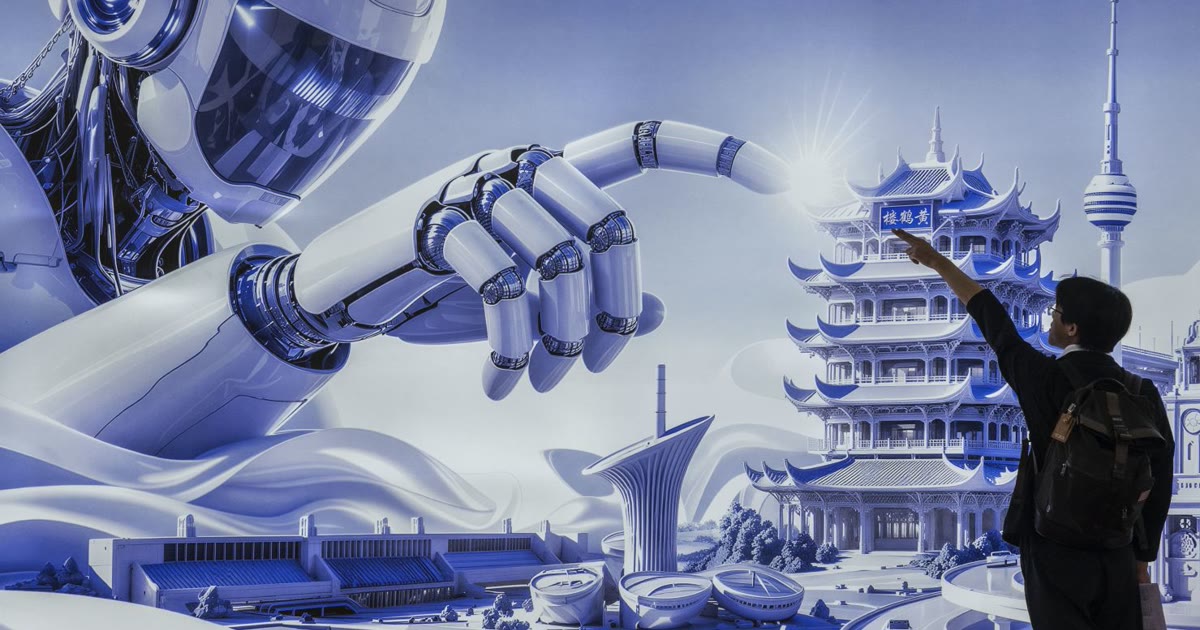
Renting a humanoid robot for a day has become a viable business in China, according to an in-depth CNN feature published June 30, 2026 that profiles the rapidly growing rental economy built around humanoid robots. The report centers on Ai Lin, an entrepreneur who purchased a $30,000 humanoid robot and now rents it out for roughly 3,000 yuan (about $420) per day for events, promotions, and novelty appearances — a business model that has spread to more than 153,000 rental businesses across China as of mid-2026.
The scale of this secondary market is striking given how recently humanoid robots became commercially available at all. AGIBOT's rental-focused subsidiary, SHAREBOT, projects the humanoid rental market alone could reach $1.5 billion by the end of 2026 — a figure that, if accurate, would make short-term rentals one of the largest current revenue channels for humanoid robots in China, arguably larger than direct industrial sales for many manufacturers.
Data Collection as a Hidden Business Model
The CNN report also highlights a less visible economic layer: facilities like the X-Humanoid research center are paying people $150 per hour to interact with humanoid robots specifically to generate training data. This reflects a broader industry reality — humanoid AI models remain data-starved relative to the diversity of real-world interactions they need to master, and rental deployments (weddings, retail promotions, corporate events) double as inexpensive, naturally diverse data-collection opportunities for the manufacturers behind the robots.
Renting Reveals What Robots Still Can't Do
Industry analysts quoted in the piece — including Omdia's Lian Jye Su, Unitree's Yolanda Xie, BNP Paribas's Joy Zhang, and TrendForce's PK Tseng — offer a more cautious read on what the rental boom actually demonstrates. Rather than proving humanoid robots are ready for widespread deployment, the rental market's dominant use cases (novelty appearances, photo ops, short scripted interactions) suggest most current-generation humanoids remain better suited to controlled, brief, low-stakes environments than the sustained physical labor or complex manipulation tasks manufacturers ultimately promise. The rental economy, in other words, may be simultaneously validating near-term commercial demand for humanoid robots and exposing how far the technology still has to go before renting gives way to genuine deployment at scale.