🇨🇳 中国
公共安全
中国在深圳测试人形机器人警察巡逻
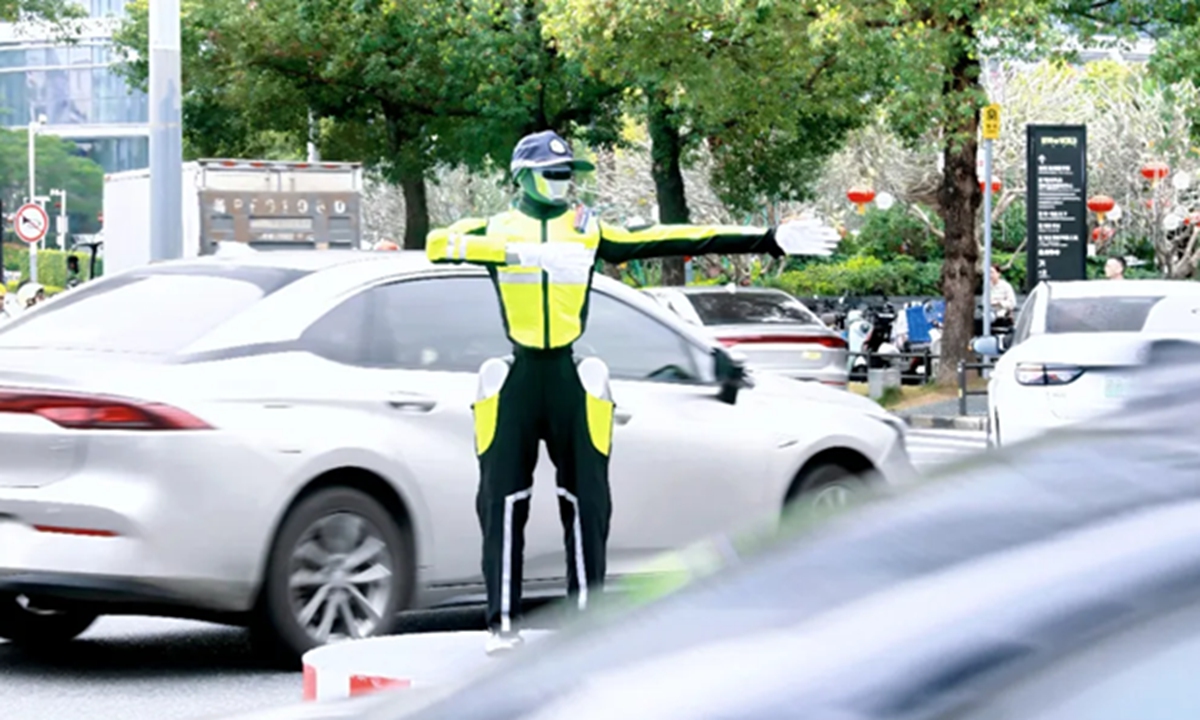
深圳特警巡逻标志人形机器人进入真实城市公共安全场景
2026年4月29日
·
5 min read
中国人形机器人产业进入了公众能见度的新阶段。一台人形机器人警察近日现身深圳街头,与特警人员并肩巡逻,标志着人形机器人的应用场景已从工厂车间与展览厅明确转移至真实的城市公共安全行动。
据 CGTN 报道,该机器人出现于广东省深圳市的公开巡逻行动中,与当地特警人员同行。此次目击事件标志着人形机器人已走出典型的工厂、展览或实验室环境,踏入一个充满真实人群、不可预测行为与实际操作需求的城市环境。
中国已通过 Unitree Robotics、UBTECH Robotics、Fourier Intelligence 和 AGIBOT 等企业,在人形机器人领域展示了强劲的进展。然而,深圳的巡逻事件凸显了一个不同的应用方向:安保辅助、人群管理、公共能见度,以及潜在的紧急应变。
为何公共安全机器人比工厂作业更具挑战性
在购物区、公共街道或巡逻路线上运作的机器人,必须应对移动的人群、不可预测的人类行为、不平整的路面、复杂的视觉环境,以及与执法团队的实时互动。这与环境可受到结构化与可预测性管控的工厂车间有着根本性的差异。在公共空间中,人形机器人必须展现更强的感知能力、动态稳定性、导航能力以及以人为本的行为——这是一个更高的标准。
中国更宏观的智慧城市野心
深圳的巡逻事件反映了中国将机器人整合至日常城市基础设施的宏观战略。过去一年,中国在人形机器人、具身AI、智慧制造与新一代自动化方面加大了国家和地方的支持力度。人形机器人越来越不只被定位为工业工具,更是未来服务、物流、巡检、安保、医疗和公共运营的助手。
话虽如此,人形机器人在执法领域的近期角色很可能是辅助性的,而非完全自主的:巡逻可视化、路线监测、公众引导、信息展示,以及潜在的远端遥控操作。保障安全的关键决策仍由人类警察负责。
为何深圳是值得关注的城市
深圳已是中国最强大的科技中心之一,在电子、AI、无人机、机器人、智慧设备与制造业方面拥有深厚的生态系统。如果人形机器人能在这里从示范走向定期公共部门试验,类似的部署将可能扩展至其他中国城市,乃至更广泛的亚太地区。
对亚太地区的意义
对亚太地区的观察者而言,深圳的人形机器人巡逻预示着三个重要趋势。首先,人形机器人正在受控环境以外更多可见的真实世界场景中接受测试。其次,中国正在利用公共部门试验,快速推动机器人走向成熟。第三,公共安全应用有望成为继物流、制造、医疗和家庭辅助之外的重要人形机器人应用类别。
未来更大的问题不在于人形机器人能否行走、奔跑或搬运物品,而在于它们能否在真实的人类环境中安全、有意义地运作——以及城市是否准备好应对机器人进入公共空间所带来的社会、法律与伦理层面的挑战。
According to CGTN, the robot was spotted during a public patrol operation in Shenzhen, Guangdong Province, alongside local SWAT personnel. The sighting moves humanoid robots beyond the typical factory, exhibition, or laboratory setting and into a live urban environment with real crowds, unpredictable behavior, and operational demands.
China has already demonstrated strong progress in humanoid robotics through companies including Unitree Robotics, UBTECH Robotics, Fourier Intelligence, and AGIBOT. The Shenzhen patrol, however, highlights a different application direction: security assistance, crowd management, public visibility, and potentially emergency response.
Why Public-Safety Robotics Is Harder Than Factory Work
A robot operating in a shopping district, public street, or patrol route must handle moving crowds, unpredictable human behavior, uneven surfaces, visual complexity, and real-time interaction with law enforcement teams. This is fundamentally different from a controlled factory floor, where the environment can be structured and predictable. In public spaces, humanoid robots must demonstrate stronger perception, dynamic stability, navigation, and human-aware behavior — a much higher bar.
China's Broader Smart-City Ambition
The Shenzhen patrol reflects China's broader strategy to integrate robotics into everyday city infrastructure. Over the past year, China has increased national and municipal support for humanoid robotics, embodied AI, smart manufacturing, and next-generation automation. Humanoid robots are increasingly presented not only as industrial tools, but as future assistants for service, logistics, inspection, security, healthcare, and public operations.
That said, the near-term role of humanoid robots in law enforcement is likely to be supportive rather than fully autonomous: patrol visibility, route monitoring, public guidance, information display, and potentially remote teleoperation. Human officers remain responsible for safety-critical decisions.
Why Shenzhen Is the City to Watch
Shenzhen is already one of China's strongest technology hubs, with deep ecosystems in electronics, AI, drones, robotics, smart devices, and manufacturing. If humanoid robots can move from demonstrations into regular public-sector trials here, similar deployments could extend to other Chinese cities and across the wider APAC region.
What It Means for APAC
For Asia-Pacific observers, Shenzhen's humanoid patrol signals three important trends. First, humanoid robots are being tested in more visible, real-world environments beyond controlled settings. Second, China is using public-sector trials to accelerate robot maturity at pace. Third, public-safety applications may become a major humanoid category alongside logistics, manufacturing, healthcare, and home assistance.
The bigger question going forward is not whether humanoid robots can walk, run, or carry objects. It is whether they can operate safely and meaningfully in real human environments — and whether cities are ready to manage the social, legal, and ethical dimensions that come with robotic presence in public spaces.